


-

Add: HeBei ShengShi HongBang Cellulose Technology CO.,LTD.
-

Email
13180486930@163.com -

CONTACT US
+86 13180486930
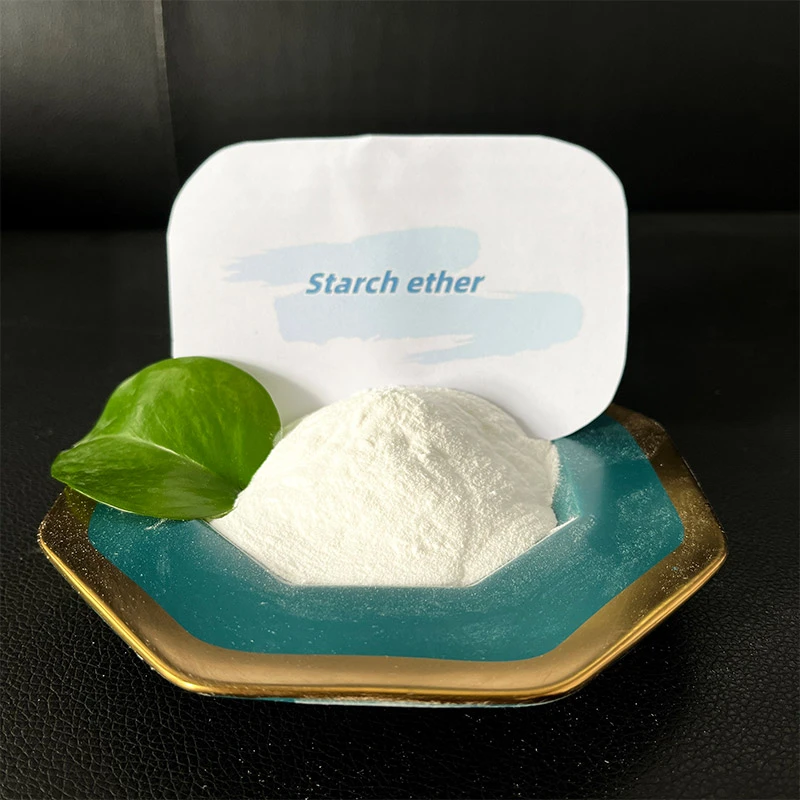



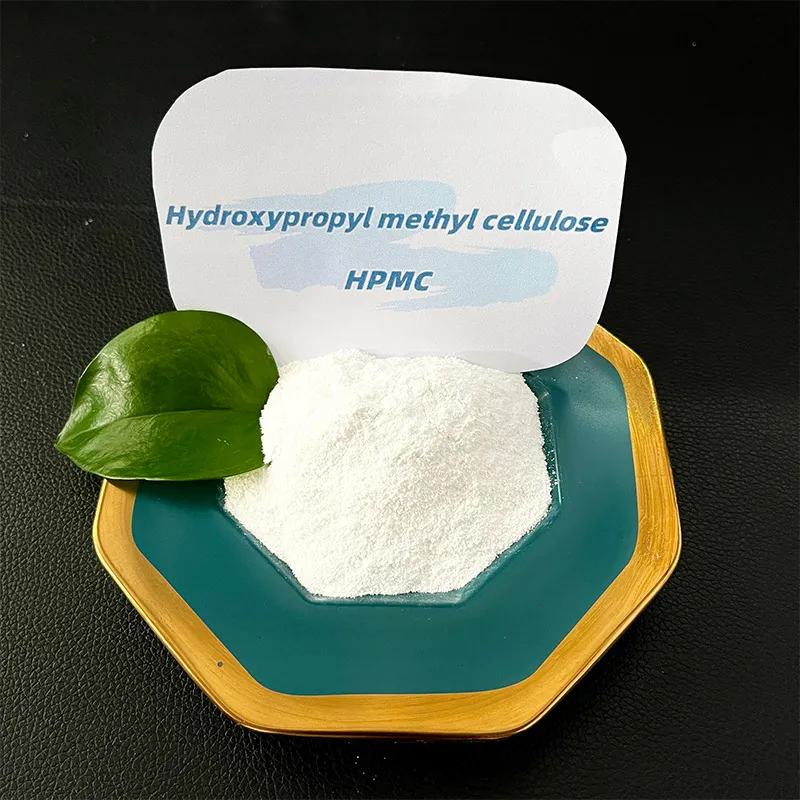


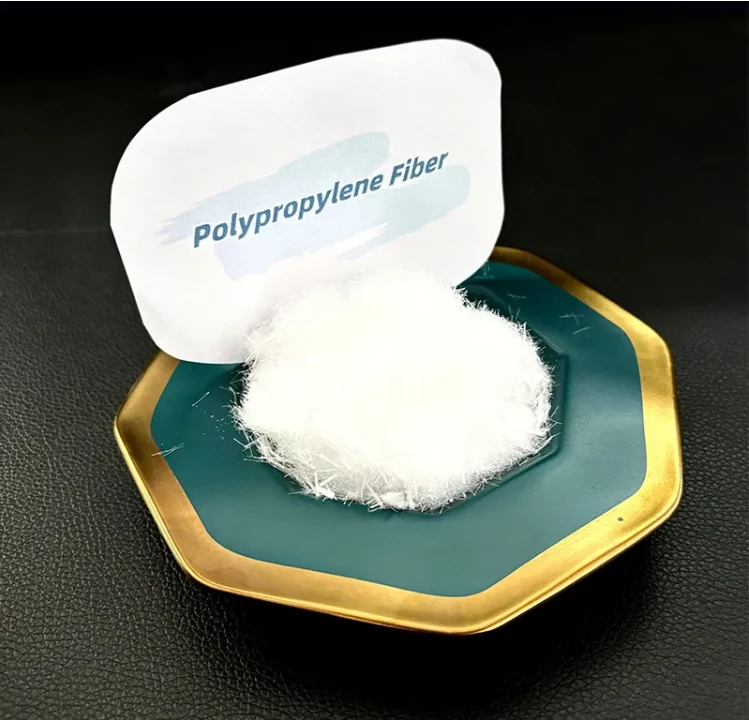
In the world of modern construction, synthetic fibers have revolutionized the way materials are used, enhancing the strength, flexibility, and durability of various building components. The different types of synthetic fibers available today are engineered for specific uses, making them indispensable in many construction projects. These fibers are often used to reinforce concrete, improve the resilience of building structures, and provide additional benefits like increased fire resistance and weather protection. From polypropylene fibers to long glass fibers , synthetic fibers offer a range of options tailored to different needs. Whether it’s increasing the strength of cement or providing insulation properties, the different types of synthetic fibers ensure that construction projects meet high standards of quality and longevity. In addition to their superior performance, synthetic fibers are often more cost-effective and readily available than traditional materials. This makes them a preferred choice for construction companies aiming to reduce costs while maintaining high-quality results. Furthermore, the environmental impact of synthetic fibers is increasingly being addressed with sustainable production methods, making them a more eco-friendly option for the construction industry. Long Glass Fiber Polypropylene: A Key Ingredient for Stronger Materials One of the standout synthetic fibers in the construction industry is long glass fiber polypropylene . This innovative fiber combines the strength of glass with the lightweight, corrosion-resistant properties of polypropylene. As a result, long glass fiber polypropylene is often used to reinforce concrete and other building materials, providing a significant boost in durability and performance. The inclusion of long glass fiber polypropylene in construction materials helps reduce cracking and improve the structural integrity of buildings and roads. The long fibers create a matrix that distributes stresses evenly across the material, preventing localized damage. This fiber is particularly useful in high-strength concrete applications where additional reinforcement is needed. Moreover, long glass fiber polypropylene is highly resistant to environmental factors like moisture, UV radiation, and temperature changes, making it ideal for both indoor and outdoor construction projects. It is commonly used in applications like paving, drainage systems, and even in the production of prefabricated building components. Its versatility and effectiveness in improving the lifespan and reliability of building materials make it a go-to solution for modern construction needs. Fibre Natural and Synthetic: A Comparison of Strength and Sustainability When choosing materials for construction, understanding the difference between fibre natural and synthetic options is crucial. While natural fibers such as jute, hemp, and cotton have been traditionally used in construction, synthetic fibers like polypropylene, polyester, and nylon have emerged as more durable and cost-effective alternatives. Fibre natural and synthetic materials each have their own advantages, making them suitable for different types of applications. Natural fibers are renewable, biodegradable, and often produced using more sustainable methods, making them a more eco-friendly option. However, they may not offer the same level of strength or resistance to environmental factors as synthetic fibers. On the other hand, synthetic fibers are engineered for durability, offering superior resistance to moisture, heat, and wear. They are often used to enhance the properties of natural materials, making them more suitable for demanding construction environments. For example, natural fibers like hemp may be used in insulation or as a reinforcement material in low-stress applications, while synthetic fibers like polypropylene or polyester are used for high-strength reinforcement in concrete, roofing, and other critical structures. By combining the best of both fibre natural and synthetic materials, construction companies can achieve optimal performance and sustainability. Non-Woven Polypropylene Fiber: A Revolutionary Material in Construction Non woven polypropylene fiber is another essential material that is increasingly being used in the construction industry. Unlike traditional woven fabrics, non woven polypropylene fiber is made from a process that bonds fibers together without weaving or knitting, resulting in a highly versatile material with excellent durability and moisture resistance. This fiber is widely used in applications like drainage systems, geotextiles, and road construction. Non woven polypropylene fiber provides a lightweight yet strong solution for reinforcing construction materials. It is often used in soil stabilization, as it helps prevent erosion and improves the strength of the ground underneath roads, bridges, and buildings. The material's ability to resist moisture also makes it ideal for protecting against corrosion and extending the lifespan of infrastructure. Additionally, non woven polypropylene fiber is environmentally friendly, as it is made from recyclable polypropylene, a material that can be repurposed for various other uses. Its cost-effectiveness, combined with its high-performance qualities, makes it a popular choice for contractors seeking durable and sustainable solutions for their construction projects. S ynthetic F ibers FAQs What are the different types of synthetic fibers used in construction? Synthetic fibers used in construction include polypropylene, polyester, nylon, and glass fibers. Each type is engineered for specific applications, such as reinforcing concrete, improving durability, and providing insulation. What is long glass fiber polypropylene, and why is it important in construction? Long glass fiber polypropylene is a fiber that combines the strength of glass with the lightweight, corrosion-resistant properties of polypropylene. It is essential in construction for reinforcing concrete, improving structural integrity, and preventing cracking. What are the benefits of using natural fibers in construction? Natural fibers , like hemp or jute, offer benefits such as renewability, biodegradability, and sustainability. They are commonly used for insulation and low-stress reinforcement, but may not be as durable or resistant to environmental factors as synthetic fibers. How does non-woven polypropylene fiber differ from woven fabrics? Unlike woven fabrics, non-woven polypropylene fiber is made through a bonding process that does not involve weaving or knitting. This results in a highly durable and moisture-resistant material, commonly used in geotextiles, drainage systems, and soil stabilization. Are synthetic fibers environmentally friendly? While synthetic fibers are often made from petroleum-based products, many are now produced using more sustainable methods. Additionally, materials like non woven polypropylene fiber are recyclable, making them a more environmentally friendly choice in construction. As construction needs evolve, synthetic fibers like long glass fiber polypropylene and non woven polypropylene fiber continue to play a crucial role in enhancing the strength, durability, and sustainability of building materials. If you're in the construction business, investing in these cutting-edge fibers will improve the performance of your projects and contribute to more eco-friendly practices. Visit our website today to explore our wide range of high-quality synthetic fibers and learn how they can transform your construction projects!
- 40000tons

Production
- 20+years

Experience
- 5000+㎡

Acreage

-

Hydroxypropyl starch phosphate is an increasingly popular ingredient in skincare products , and for good reason. This innovative compound combines natural starch with phosphate to enhance its functionality and benefit a myriad of skin types. Its rise in popularity is not just a fad; it's rooted in solid science and consumer experience. Derived primarily from natural sources like corn or potatoes, hydroxypropyl starch phosphate offers several advantages that align seamlessly with the needs of both consumers and formulators. Fundamentally, it serves as an exceptional texture enhancer in creams, lotions, and serums. Unlike traditional thickeners, it provides a silky-smooth finish that is often sought after in high-end skincare products. This means when applied, products feel luxurious and pampering, creating an indulgent experience that consumers love. In addition to texture enhancement, hydroxypropyl starch phosphate plays a crucial role in stabilizing emulsions, ensuring that oil and water components in skincare formulations do not separate over time. This stability is particularly important for multi-ingredient complex formulations, allowing active ingredients to remain evenly distributed, thus maximizing efficacy. Stability also translates to an extended shelf life, which is a significant consideration for both consumers and retail outlets. From a dermatological perspective, hydroxypropyl starch phosphate is non-irritating and safe for sensitive skin. Unlike some chemical thickeners and stabilizers, this starch derivative does not clog pores, making it an excellent choice for formulations targeted at acne-prone or reactive skin. Its ability to absorb excess oil without stripping the skin of essential moisture is another notable feature, making it suitable for oily skin types while maintaining a balance that is gentle enough for drier skin. Expertise in skincare formulation reveals that hydroxypropyl starch phosphate also aids in enhancing the delivery of active ingredients. Due to its molecular structure, it can help convey moisture deeper into the skin layers, optimizing the hydration properties of a product. This translates to improved performance of active ingredients, whether they are anti-aging, brightening, or soothing components. hydroxypropyl starch phosphate in skin care In the realm of experience, numerous skincare enthusiasts have praised products containing hydroxypropyl starch phosphate for their lightweight feel and non-greasy finish. These products tend to absorb quickly into the skin, leaving behind a velvety finish that preps the skin beautifully for makeup application or simply for a bare-skin glow. The real-life testimonials stand as a testament to the compound’s capabilities, further increasing its credibility among users who prioritize both efficacy and experience in their skincare regime. Authoritative research backs the safety and efficacy of hydroxypropyl starch phosphate, with numerous studies confirming its hypoallergenic properties and performance in enhancing skin feel and formulation stability. Regulatory bodies have approved its use globally, a mark of trust that allows consumers and formulators to incorporate this ingredient without reservation. The endorsement by dermatologists and skincare professionals further solidifies its standing in the industry, adding a layer of trustworthiness to its growing reputation. For a more sustainable approach to skincare, many conscious consumers will appreciate that hydroxypropyl starch phosphate is biodegradable. Derived from renewable resources, it aligns with the increasing demand for environmentally friendly beauty products. As the beauty industry progresses towards more sustainable practices, ingredients like hydroxypropyl starch phosphate not only meet the crucial functionality required by modern skincare but also support a sustainable future. Consumers keen on elevating their skincare routine should look for this innovative ingredient in their products. Brands that incorporate hydroxypropyl starch phosphate often showcase transparency and a commitment to quality, understanding the complex needs of today’s diverse skincare audience. As the understanding of this ingredient continues to evolve, more skincare products are expected to leverage its multifaceted benefits, making it a staple in high-performance skincare formulations. In conclusion, hydroxypropyl starch phosphate is more than just a functional ingredient; it is a bridge between efficacy and indulgence, expertly tailored for modern skincare needs. From improving product stability to enhancing the user experience, it represents a sophisticated advancement in the formulation of skincare products. With an impressive balance of credibility and innovation, this ingredient is set to remain an influential component in skincare regimens worldwide.
-

HPMC, hay còn gọi là Hydroxypropyl Methylcellulose, là một chất phụ gia thực phẩm với số E là E464 . Nó đóng vai trò quan trọng trong việc cải thiện đặc tính của các sản phẩm thực phẩm và công nghiệp. Để hiểu rõ hơn về chất này, chúng ta cần xem xét nó từ góc độ uy tín, kinh nghiệm thực tế và chuyên môn kỹ thuật. Trước hết, với kinh nghiệm từ nhiều năm nghiên cứu và ứng dụng trong ngành thực phẩm, HPMC là một polymer cellulose không ion, tan trong nước và có khả năng tạo gel ở nhiệt độ cao. Điều này có nghĩa là khi được thêm vào một sản phẩm, HPMC có thể tăng cường độ dày, độ bền và tính ổn định mà không ảnh hưởng đến hương vị hoặc giá trị dinh dưỡng của sản phẩm. Tôi đã thấy sự khác biệt rõ rệt khi sử dụng HPMC trong các sản phẩm từ bơ sữa đến bánh kẹo và thậm chí là đồ uống. Chuyên môn về HPMC cũng rất quan trọng vì không phải nhà sản xuất nào cũng biết cách sử dụng nó hiệu quả. Với những hiểu biết sâu rộng trong lĩnh vực này, HPMC không chỉ được sử dụng trong thực phẩm mà còn trong các ngành công nghiệp khác như dược phẩm, mỹ phẩm và cả xây dựng. Nó hoạt động như một chất ổn định, chất làm đặc và chất liên kết trong các viên thuốc, giúp tăng cường độ nhớt trong mỹ phẩm, và thậm chí còn được sử dụng như một tác nhân chống lại hiện tượng chảy xệ trong vật liệu xây dựng. Một trong những trải nghiệm đáng chú ý mà tôi từng có là trong quá trình cải tiến một công thức bánh ngọt. Chúng tôi đã thêm một lượng nhỏ HPMC và nhận thấy rằng độ xốp của bánh được cải thiện đáng kể. Nếu không có HPMC, sản phẩm có thể dễ bị vỡ khi đóng gói và vận chuyển. Thông qua nghiên cứu và thử nghiệm, kết quả cho thấy sản phẩm có hạn sử dụng dài hơn mà không cần đến các chất bảo quản nhân tạo. hpmc số Tuy nhiên, không thể không nhắc đến độ tin cậy và tính hợp pháp của HPMC trên thị trường. Nó đã được Tổ chức Lương thực và Nông nghiệp của Liên Hiệp Quốc và Tổ chức Y tế Thế giới công nhận là an toàn khi sử dụng trong thực phẩm. Một điểm nổi bật là HPMC không bị biến đổi về mặt sinh học trong cơ thể, điều này làm cho nó trở thành một sự lựa chọn an toàn cho tất cả các loại hình tiêu dùng. Về tính chuyên môn, HPMC có khả năng chịu được điều kiện môi trường khắc nghiệt, từ nhiệt độ cao đến độ ẩm thấp, khiến nó trở nên đặc biệt hữu ích trong việc duy trì tính toàn vẹn của sản phẩm dưới các điều kiện vận chuyển và lưu trữ khác nhau. Kinh nghiệm từ các chuyên gia cho thấy rằng việc tích hợp HPMC vào sản xuất không chỉ giúp cải thiện chất lượng mà còn tối ưu hóa chi phí thông qua việc giảm thất thoát và cải thiện hiệu suất quy trình. Cảm giác an toàn là điều tối quan trọng khi đề cập đến HPMC từ góc độ người tiêu dùng. Được sản xuất dưới dạng bột mịn, không màu và không mùi, HPMC hoàn toàn không làm thay đổi cảm giác và mùi vị của sản phẩm. Điều này tạo ấn tượng rằng các sản phẩm có chứa HPMC vẫn giữ được bản chất tự nhiên của chúng mà không cần đến bất kỳ chất hóa học nào có thể gây hại. Tóm lại, HPMC với số E là E464 là một yếu tố kỳ diệu trong việc tối ưu hóa sản phẩm. Với sự kết hợp giữa kinh nghiệm thực tế, chuyên môn cùng độ tin cậy cao, các sản phẩm có chứa HPMC không chỉ phù hợp với tiêu chuẩn công nghiệp mà còn đáp ứng được những yêu cầu khắt khe của người tiêu dùng hiện đại.
advantages
-

200000 Viscosities
Excellent product
We can produce pure products up to 200,000 viscosities
-

40000 tons
High yield
We don’t stop production all year round, and the annual output can reach 40,000 tons
-

24 hours
Quality service
We provide 24-hours online reception service, welcome to consult at any time
———— Inquiry Form
Schedule A services
-
 redispersible_polymer_powder_price
Oct . 25, 2025
Navigating the Complex World of Rubber Powder Buyers Rubber powder has emerged as a crucial industri -
 vae_powder
Oct . 25, 2025
Unlocking the Benefits of Purchasing HPMC A Comprehensive Guide Hydroxypropyl Methylcellulose (HPMC) -
 polymer_acrylic_powder
Oct . 25, 2025
Different Types of Synthetic Fibers Synthetic fibers have revolutionized the textile industry since


